
You have probably spent more on skincare than you would like to admit. A cleanser that promised clear skin. A spot treatment. A serum a friend swore by. The breakouts come back anyway.
That pattern has little to do with discipline. At Essence Med Spa, we see patients who did everything the label said and still have not seen their skin settle. The difference between a drugstore routine and a professional acne treatment comes down to what is in the bottle, how deep it travels, and who chose it for you.
Why do the products from a skin clinic work when drugstore ones did not?
Products sold through a clinic contain stronger doses of the ingredients that matter, and they are built to work below the surface rather than sit on top of it. A trained provider also picks them for your particular skin instead of leaving you guessing from a shelf label.
Why Your Drugstore Routine Stopped Short
Over-the-counter products are formulated for broad, unsupervised use, and that shapes them completely. A company selling to millions has to keep active strengths conservative enough to be safe for someone who never reads the instructions. Gentle is the goal, and for occasional breakouts it works fine. For acne that keeps returning, it usually is not strong enough to change anything.
Labeling matters too. Under U.S. law, cosmetic products do not need FDA approval before they go on the market. The acne actives sold over the counter, such as benzoyl peroxide and salicylic acid, are regulated as OTC drugs under a monograph that caps strengths for unsupervised use. Either way, the ceiling is set for the general public, not for your skin.
Then there is how the routine gets built. Most people buy one product at a time: something for oil, something for texture, something for dark marks. The result is a crowded shelf, not a plan, with products working against each other. Acne treatment for adults often stalls here, since adult skin usually has more than one concern at once.
What Makes Medical-Grade Acne Products Different
Three things separate a professional line from a drugstore one: how much active ingredient it carries, how that ingredient is delivered, and who decided you should use it.
Higher Concentrations Of Proven Actives
Professional lines carry retinoids, exfoliating acids, and antioxidants at levels a mass-market formula cannot hold. ZO® Skin Health, the line we build most acne routines around, offers retinol at both 0.5% and 1%, while a widely sold over-the-counter retinol sits at roughly 0.6% at the strong end of its range. Same ingredient family, different working strength.
One clarification: “medical-grade” is an industry term, not an FDA classification. It describes how a product is formulated and where it is sold.
Formulations Built To Reach Deeper
Concentration alone does not clear skin. An active sitting on the surface cannot do much about a follicle clogged beneath it, so delivery matters as much as percentage. Professional formulations carry ingredients past the outer layer to where the process starts, and many of these lines have clinical testing behind them. OTC claims carry no such requirement.
Selected By Someone Who Assessed Your Skin
This is the part you cannot replicate on your own. A brightening serum, a strong exfoliant, and a rich moisturizer can each be a good product and still be wrong for your skin. Stronger is not automatically better. The wrong active at the wrong frequency can cause irritation and barrier damage that looks like worsening acne, which sends people back for something stronger. Professional skincare for acne starts with someone examining your skin first.
Why The Right Match Beats The Strongest Product
Acne is not one condition. Inflammatory breakouts, clogged pores, and the dark marks left after a pimple respond to different ingredients on different timelines. Hormones, a compromised barrier, and product mismatch each change what a routine needs, so two people with similar skin often need different plans.
A routine designed as a system gives every step a reason. The cleanser suits the barrier, the moisturizer matches the skin type, and actives arrive at a strength your skin tolerates. That structure reduces irritation, and less irritation makes consistency possible. Most patients notice gradual change over several weeks, though results vary.
Where Prescription Topicals and In-Office Treatments Fit
Prescription topicals and in-office treatments each cover ground that daily products cannot. Medical-grade and prescription are not the same category. Medical-grade products are sold through practices and need no prescription, only someone qualified to select them. Prescription acne treatment, including retinoids such as tretinoin, does require a provider and a pharmacy. At Essence Med Spa, tretinoin and similar topicals are available when an acne specialist determines they fit your plan.
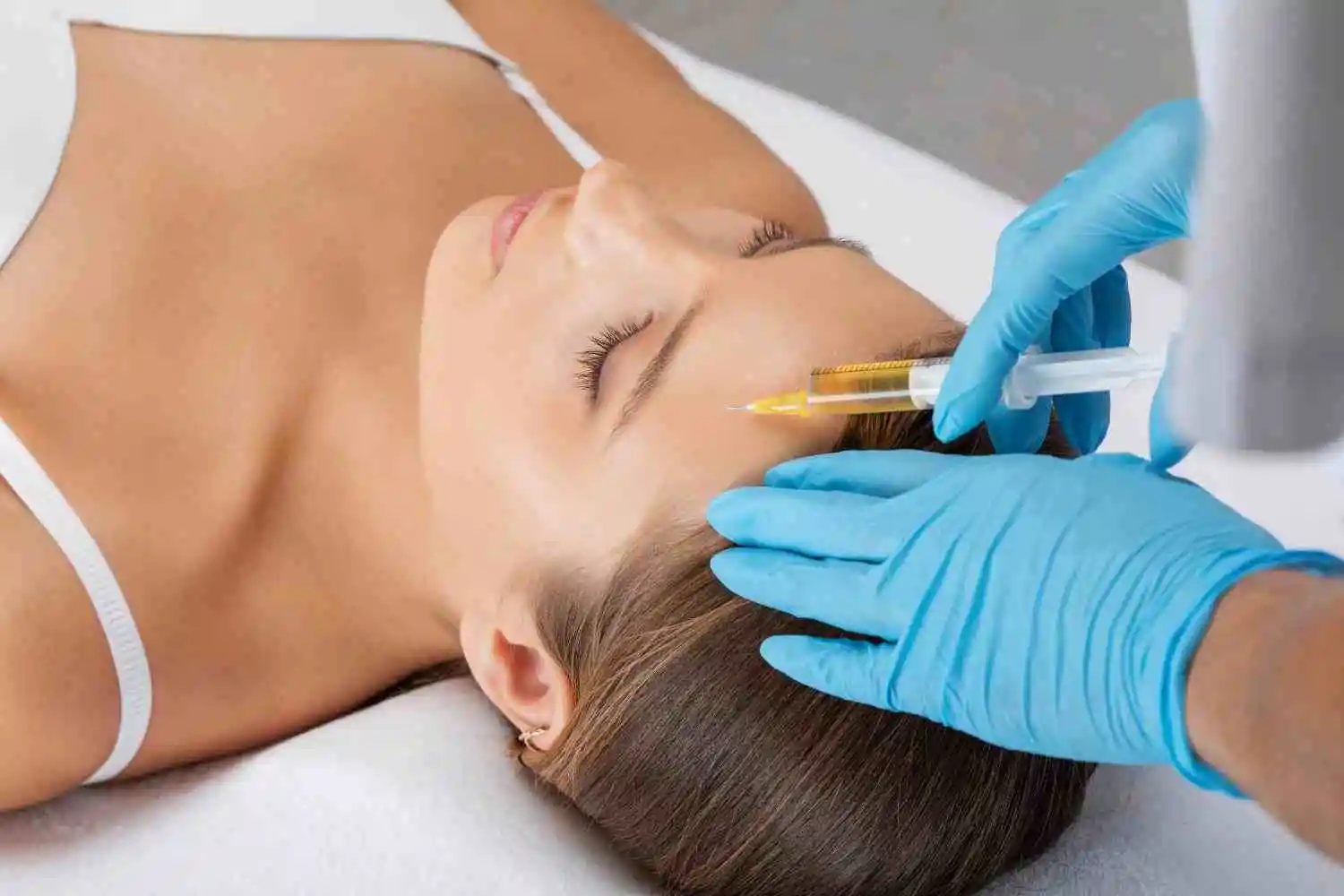
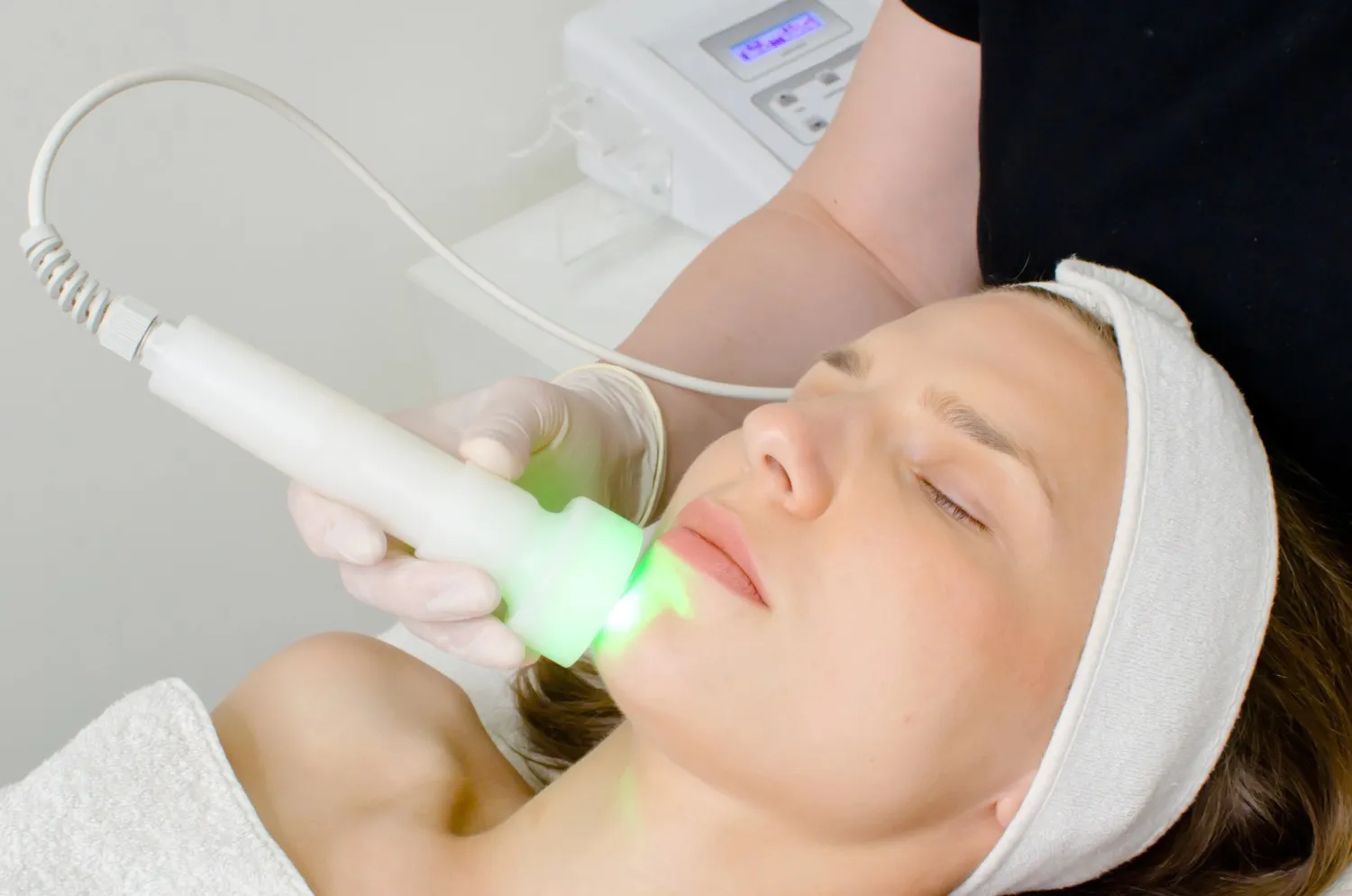
In-office treatments then address what topicals cannot reach, while daily products sustain progress between visits. Forever Clear BBL uses light to target acne-causing bacteria and calm inflammation, while acne facials and the acne HydraFacial help clear congestion, and Morpheus8 works on the texture and scarring acne leaves behind. Our guide to acne care in Hastings and Grand Island covers how these fit together, and early control also supports acne scar prevention, since fewer inflamed lesions typically mean less scarring later.
What The Medical-Grade Path Looks Like At Essence Med Spa
Our Acne Bootcamp starts with a consultation with an acne specialist, who reviews your lifestyle and routine to identify what drives breakouts. We build your acne treatment plan around your skin, usually anchored by a ZO® Skin Health regimen, and you can review the professional skincare lines we carry beforehand.
Some plans add the VitaMedica Clear Skin Formula Plus+ Pro supplement and single-use Clear Skin Club towels. Not sure you are a candidate? Contact the team at either Nebraska location, and they can walk you through it.
Common Questions About Medical-Grade Acne Products
How long before I see a change? Most patients see gradual improvement over several weeks. Skin sometimes looks worse before better as congestion clears.
Is this safe for sensitive skin? Acne-prone skin treatment is built around tolerance. Your specialist starts at a strength your barrier handles and adjusts as your skin adapts.
Your Skin Deserves a Real Plan, Not Another Product
The honest comparison of acne treatment vs. OTC products is not about drugstore products being bad. It comes down to strength, delivery, and fit. Professional formulations carry more active ingredients, reach the layer where breakouts begin, and get matched to your skin by someone who looked at it. That last piece is what was missing.
If you have been cycling through products for months without much to show for it, a conversation is a reasonable next step. Our acne specialists will look at your skin, explain what they see, and build a professional acne treatment plan around it.
Struggling with acne that OTC products haven’t improved? Schedule a consultation with Essence Med Spa in Hastings and Grand Island, NE, for personalized acne treatment.